The Forbidden Leap: Why You Must Never Step Over Someone in Indian Lore
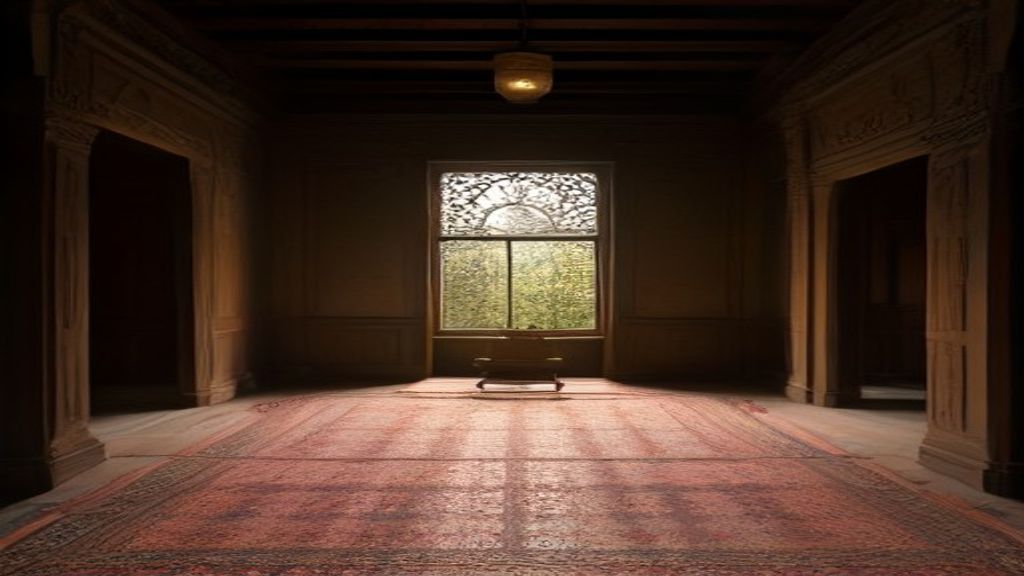


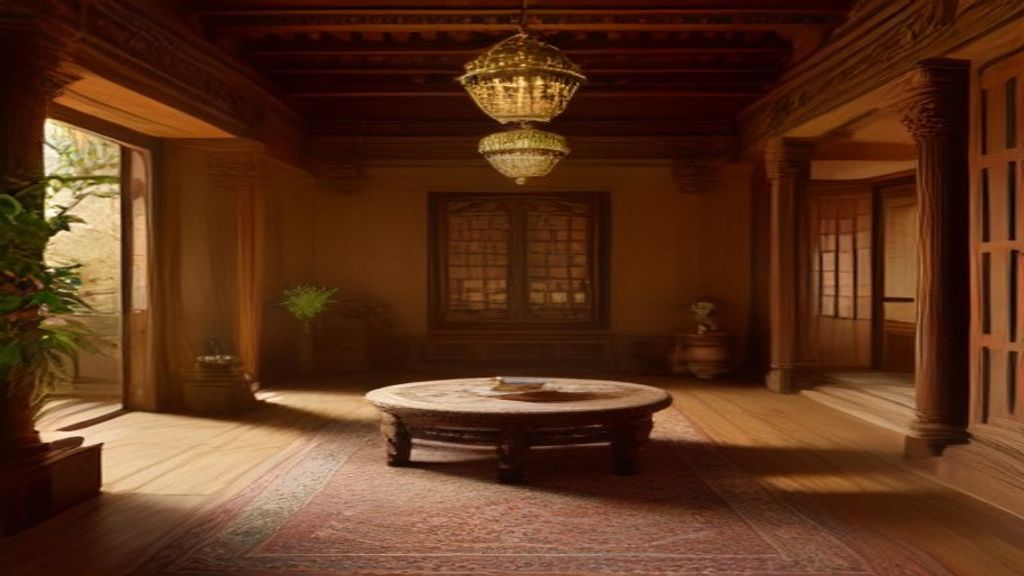
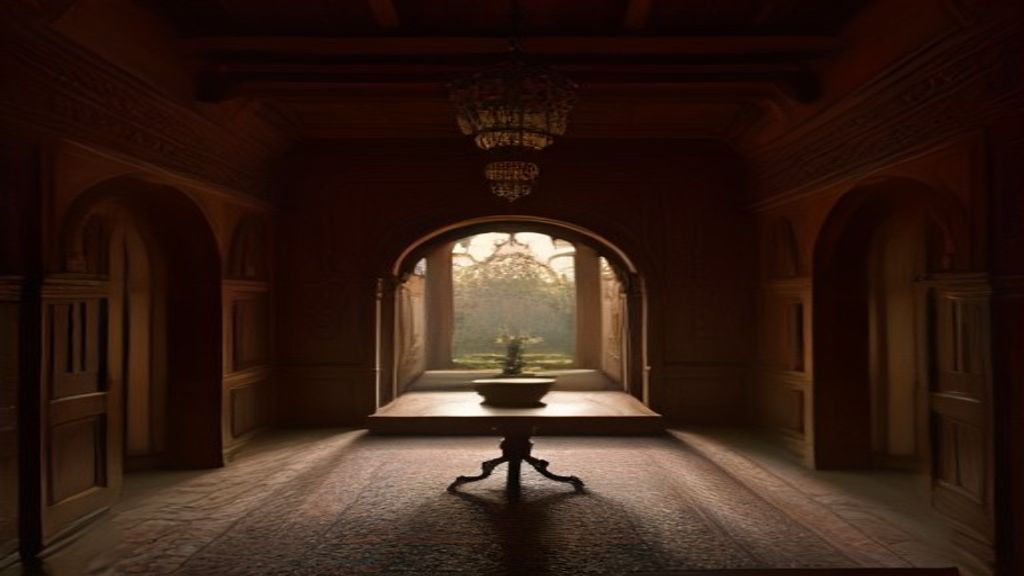
In almost every traditional Indian home, an unwritten rule governs the floor: if someone is reclining on a rug, woven mat, or charpai, you must never step over their body. If your foot dares to cross over a resting family member—an act locally known in northern and central India as Langna or Langhna—an elder will instantly call out, commanding you to step backward immediately to undo the act.
The Aura and the Vital Energy
Why does this everyday gesture carry such heavy mystical weight? According to ancient Indian belief, every human body radiates a subtle aura of vital energy known as Prana. When a person is resting or sleeping, this energy forms a protective field around them. Stepping over someone is believed to:
- Sever the Energy Field: Crossing directly over a person cuts through their magnetic field, disturbing their peace and spiritual alignment.
- Stunt Physical Growth: A widespread belief among elders warns that stepping over a growing child will permanently halt their height and physical development.
- Absorb Stagnant Karma: It is said that stepping over someone transfers heavy physical ailments or stagnant spiritual debt onto the person crossing.
The Counter-Ritual: Stepping Back in Reverse
The folklore surrounding Langna comes with a built-in antidote. If you accidentally cross over someone, you must retrace your steps in exact reverse—stepping backward over them while seeking forgiveness or touching your chest in reverence. This reverse movement is believed to re-weave the disrupted aura and restore the flow of Prana back to its rightful harmony.
Whether rooted in physical courtesy to avoid accidentally tripping over a sleeping elder or tied to esoteric energy fields, this timeless taboo continues to shape modern Indian homes with quiet respect and mystic caution.