The Midnight Shadow: Why You Must Never Stand Beneath a Peepal Tree After Dark
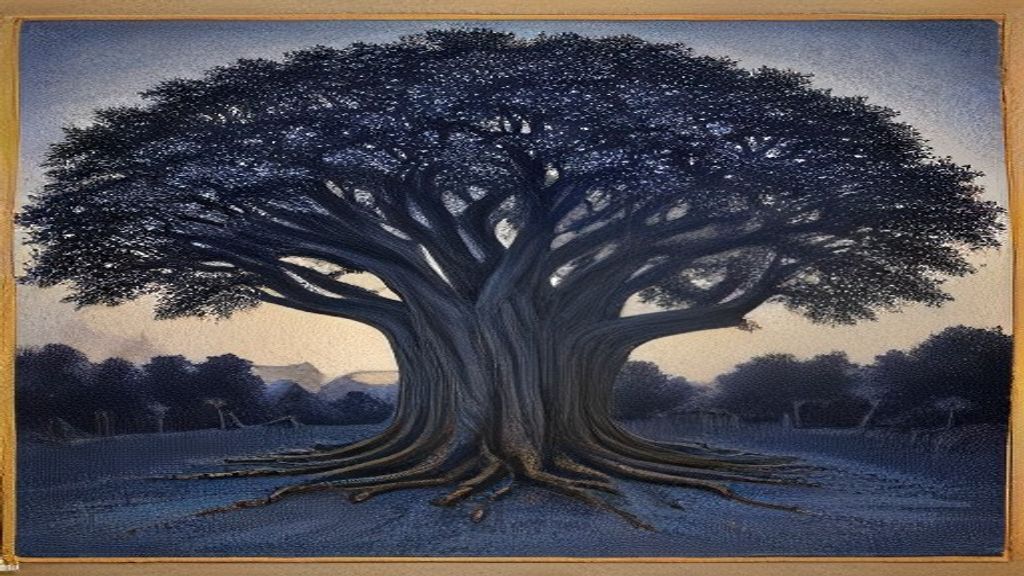


Across the length and breadth of India, few trees hold as much spiritual weight as the Peepal tree (Ficus religiosa). Known as the Bodhi tree in Buddhism and considered the earthly abode of the Holy Trinity—Brahma, Vishnu, and Shiva—in Hinduism, it is worshipped with water, sacred threads, and clay lamps every morning. Yet, the moment dusk settles over the village horizon, an age-old warning echoes through every Indian household: "Never sit, stand, or sleep under a Peepal tree after dark."
The Dual Nature: Divine by Day, Haunted by Night
According to Vedic lore, Lord Vishnu resides within the heart of the Peepal tree during daylight hours. Devotees perform rituals around its base for longevity, prosperity, and peace. However, folklore asserts that at sunset, divine light withdraws from the leaves. In its place steps Alakshmi, the elder sister of Goddess Lakshmi associated with misfortune, alongside lingering spirits known as Prets and Chudails.
Passing under the rustling canopy late at night is believed to invite sudden illness, unexplained fear, or spiritual possession. The low hum of wind passing through its broad heart-shaped leaves, so soothing at noon, turns into an ominous whisper in the dark.
The Science Behind the Superstition
Like many ancient Indian customs, this taboo conceals a practical physiological observation beneath its supernatural shroud. Unlike most plants that release oxygen continuously or through specialized nocturnal pathways, the massive biomass of a mature Peepal tree undergoes intense respiration at night, consuming vast amounts of oxygen and releasing concentrated carbon dioxide.
- Hypoxia & Disorientation: Standing or sleeping beneath the dense foliage at night can lead to carbon dioxide buildup, causing dizziness, heavy chest sensations, and vivid nightmares.
- Sleep Paralysis: Ancient villagers experiencing chest tightness beneath the tree attributed the sensation to a ghost sitting on their chest—a classic physical response misinterpreted through myth.
Living Harmony with Nature
Whether viewed through the lens of ancient spiritual boundaries or practical physiological wisdom, the rule remains unwavering. The Peepal tree demands respect—divine sanctuary by daylight, and a quiet, undisturbed giant beneath the stars.